
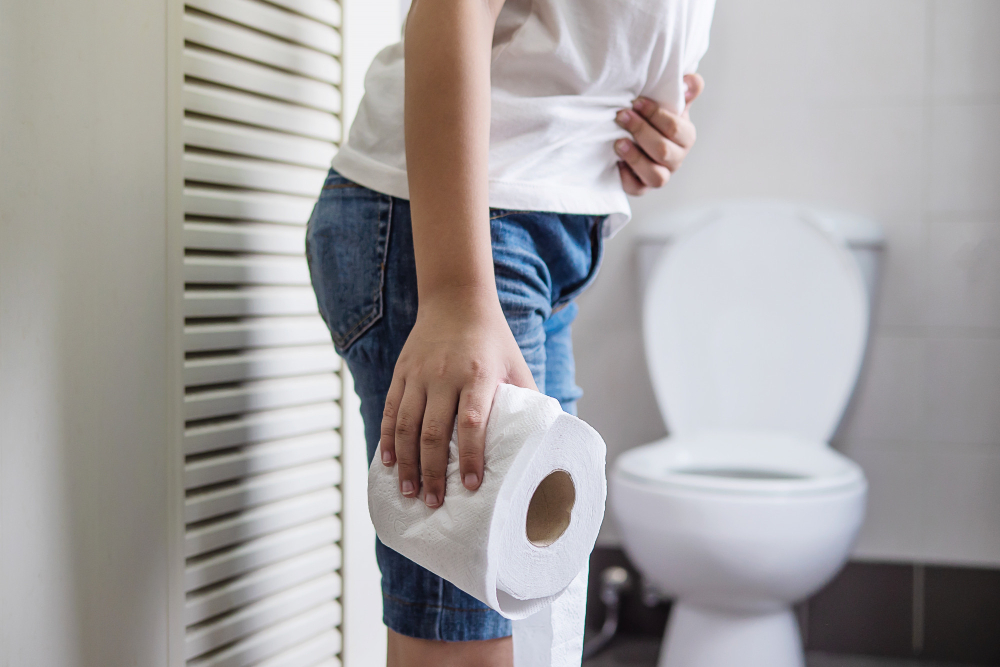
What is R Anal Fissure?
An r anal fissure is a small tear in the skin near the anus, usually on the right side. Unlike internal fissures, this type affects the outer area. Most people feel pain during bowel movements. Sometimes, there may be bleeding or itching. However, r anal fissure is not an internal problem. Instead, it is a surface issue that can cause discomfort but is easy to spot. Early care can help prevent further problems.
Causes of R Anal Fissure
Many factors can lead to an r anal fissure. Often, hard or dry stools cause the skin to crack. In some cases, frequent diarrhea can also irritate the area. Other causes include:
Because the fissure is not internal, it usually heals faster with proper care. Still, ignoring symptoms can make things worse.
Diagnosis
Doctors can often diagnose an r anal fissure by looking at the area. Usually, no special tests are needed. However, if pain or bleeding lasts more than a few weeks, further checks may be needed. Signs to look for include:
If you notice these signs, it is wise to seek help early. Quick action can prevent the fissure from becoming chronic.
Ayurvedic Perspective
Ayurveda sees r anal fissure as a result of imbalanced body energies, especially Vata. According to Ayurvedic experts, dryness and poor digestion can weaken the anal area. Therefore, Ayurvedic treatment for r anal fissure focuses on healing and soothing the skin. Common Ayurvedic herbs and therapies include:
In addition, Ayurvedic clinics in many cities offer special therapies for anal fissure not internal. These therapies aim to reduce pain and speed up healing. However, always consult a qualified Ayurvedic specialist before starting any treatment.
External Sphincterotomy Explained
Sometimes, an r anal fissure does not heal with simple care. In these cases, doctors may suggest an external sphincterotomy. This is a minor surgery where a small cut is made in the outer anal muscle. As a result, the muscle relaxes, and blood flow improves. Healing becomes faster, and pain reduces. External sphincterotomy for anal fissure is safe and effective when done by experts. It is usually needed only if other treatments fail. Most people recover quickly after the procedure.
Prevention and Lifestyle Tips
Preventing r anal fissure is possible with simple daily habits. Here are some tips:
Moreover, staying active and managing stress can also help your digestive health. These steps lower the risk of fissures coming back.
When to See a Doctor
If pain, bleeding, or discomfort lasts more than two weeks, see a doctor. Also, if you notice swelling, pus, or fever, seek help right away. Early treatment can prevent serious problems. Remember, both Ayurvedic and modern treatments are available. Choose what suits you best, but always consult a healthcare provider first.
In summary, anal fissure is not internal and can be managed with the right care. For lasting relief, consult a qualified Ayurvedic specialist or healthcare provider at SHREE HEMADRI Hospital for personalized advice on anal fissure management.