
Introduction
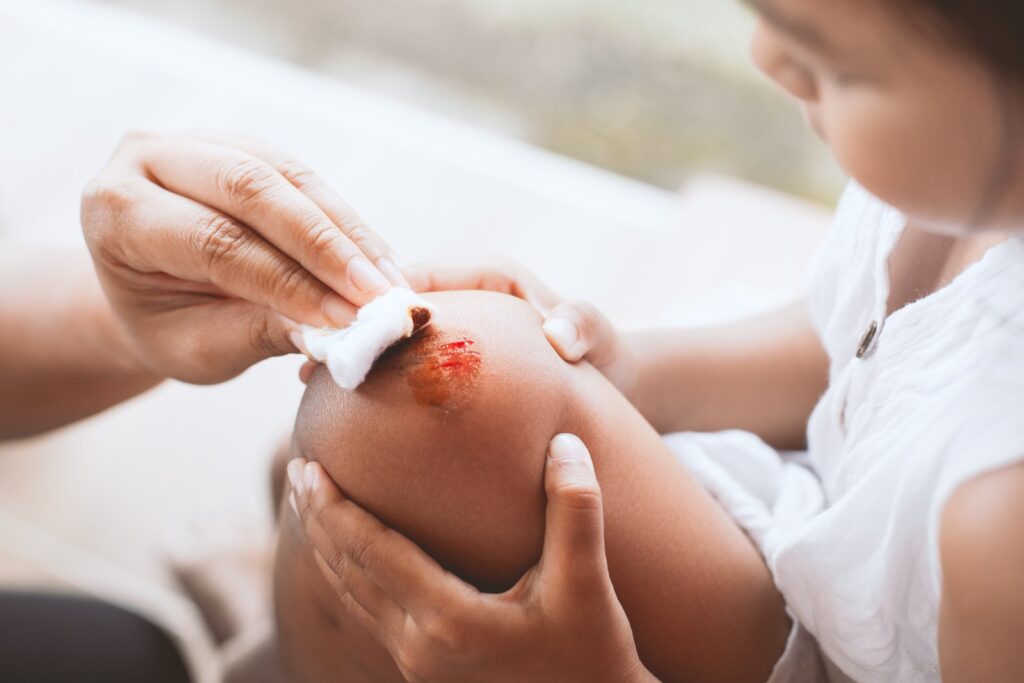
Slow-healing wounds are cuts, sores, or ulcers that take longer than usual to heal. These wounds can cause pain, infection, and stress. For many people, slow-healing wounds affect daily life and well-being. However, combining modern medicine with Ayurvedic care offers a complete approach. In this blog, you will learn about slow-healing wounds, their causes, and how both modern and Ayurvedic treatments can help.
What Are Slow-Healing Wounds?
Slow-healing wounds are injuries that do not close or improve within a few weeks. Normally, small cuts heal in about two weeks. But sometimes, wounds stay open longer. This can lead to more problems, such as infection or scarring. For example, people with certain health issues may notice their wounds heal slowly.
Common symptoms and signs include:
Common Causes of Slow-Healing Wounds
Many factors can slow down wound healing. For instance, some health conditions make it harder for the body to repair itself. Here are some common causes:
Modern Medical Approaches to Management
Doctors use several methods to treat slow-healing wounds. First, they check the wound and look for signs of infection. They may order blood tests or wound cultures. After diagnosis, treatment often includes:
In addition, doctors may suggest physical therapy or pressure-relieving devices. Good wound care at home is also important. For example, always wash your hands before touching the wound. Change dressings as advised by your doctor. According to the CDC, proper wound care lowers the risk of infection and speeds up healing.
Ayurvedic Perspectives and Remedies
Ayurveda, an ancient Indian system of medicine, offers natural ways to support wound healing. In Ayurveda, slow-healing wounds are called “Dushta Vrana.” These wounds are believed to be caused by imbalances in the body’s energies.
Ayurvedic care focuses on:
Moreover, Ayurveda recommends avoiding spicy, oily, or junk foods. Instead, choose fresh, home-cooked meals. Some Ayurvedic therapies, like leech therapy or medicated bandages, are used under expert care. Recent studies suggest that honey and turmeric have natural antibacterial properties, which can help wounds heal faster. However, always use Ayurvedic remedies under the guidance of a trained practitioner.
Integrating Modern and Ayurvedic Care
Combining modern and Ayurvedic care can offer the best results. For example, you can follow your doctor’s advice while using safe Ayurvedic remedies. This approach may help wounds heal faster and lower the risk of problems.
Here are some practical tips for safe integration:
By working together, modern and Ayurvedic care can support your body’s natural healing process.
Prevention and Lifestyle Guidance
Preventing slow-healing wounds is possible with simple lifestyle changes. Here are some tips to help you stay healthy and heal faster:
Additionally, drink plenty of water and get enough rest. Good sleep helps your body repair itself.
When to Seek Medical Help
Sometimes, slow-healing wounds need expert care. You should see a doctor if you notice:
Early treatment can prevent serious problems. Therefore, do not wait if you see these warning signs.
Conclusion
Slow-healing wounds can be challenging, but help is available. By combining modern medicine and Ayurvedic care, you can support your body’s healing. Remember, always talk to your doctor at Shree Hemadri Hospital for advice that fits your needs. With the right care, most wounds can heal well and quickly.