
Introduction
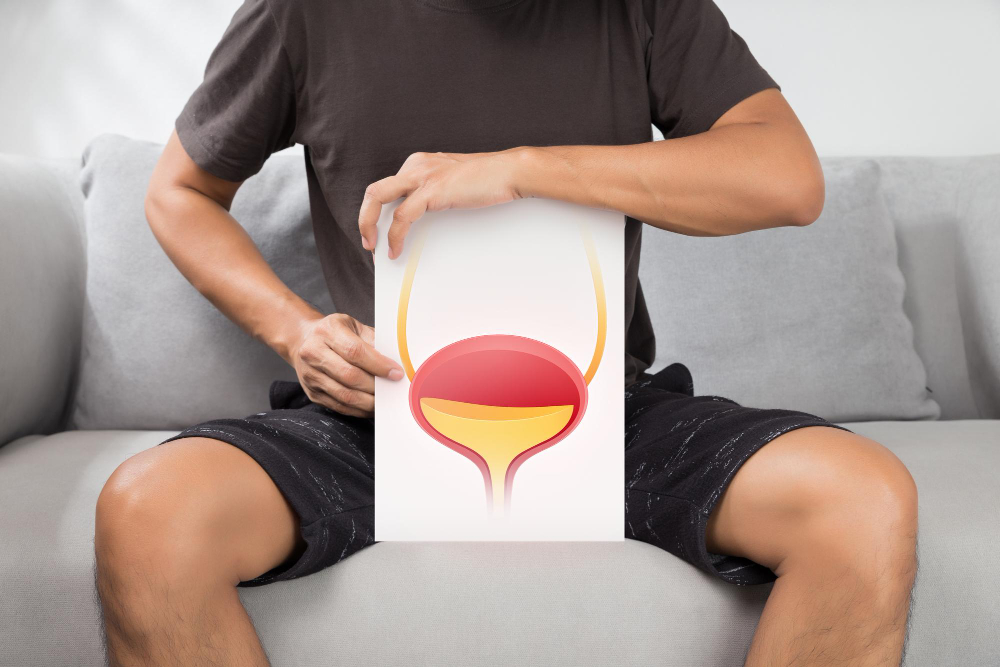
Overactive bladder is a condition where you feel a sudden urge to urinate, often with leakage. Many people look for natural remedies for bladder control. Ayurveda, an ancient Indian system of medicine, offers gentle ways to manage these symptoms. In this blog, you will learn about Ayurvedic treatment for overactive bladder and how Ayurveda supports urinary health.
Common Symptoms of Overactive Bladder
Overactive bladder can affect daily life. You may notice these signs:
Sometimes, these symptoms can cause stress or embarrassment. However, many people find relief with the right approach.
Ayurvedic Perspective on Overactive Bladder
According to Ayurveda, health depends on a balance of three energies, called doshas: Vata, Pitta, and Kapha. Overactive bladder is often linked to an imbalance in the Vata dosha. This dosha controls movement in the body, including the flow of urine. When Vata is disturbed, it can cause frequent urges and poor bladder control. On the other hand, Pitta imbalance may cause burning or irritation during urination.
Ayurvedic Diagnosis Methods
Ayurvedic doctors use several ways to find the root cause of bladder problems. For example, they may:
Because each person is unique, Ayurveda offers a personalized plan for treatment.
Ayurvedic Treatments for Overactive Bladder
Ayurvedic treatment for overactive bladder includes herbs, therapies, and diet changes. These natural remedies for bladder control aim to restore balance and support urinary health.
Herbs
Therapies
Dietary Guidance
Always consult a qualified Ayurvedic practitioner before starting herbs or therapies.
Lifestyle and Prevention Tips
Along with treatment, daily habits can make a big difference. For instance, Ayurveda for urinary health often includes:
Moreover, avoid holding urine for long periods, as this can worsen symptoms.
When to Seek Professional Help
Although natural remedies for bladder control can help, you should see a doctor if:
Early care can prevent complications. In addition, a qualified Ayurvedic practitioner can create a plan that fits your needs.
Consult a qualified Ayurvedic practitioner at SHREE HEMADRI Hospital for personalised advice on managing overactive bladder symptoms.